

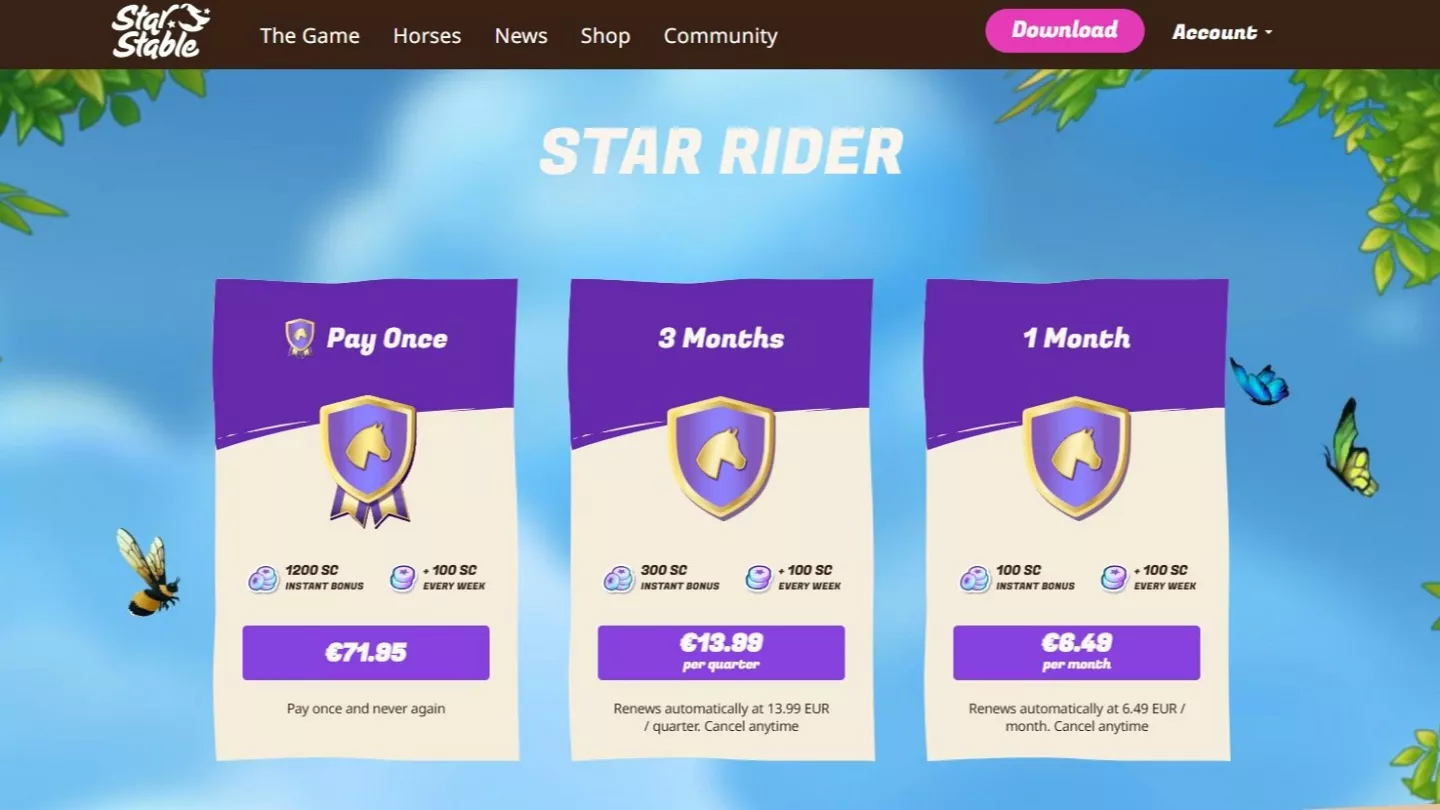
The European Union steps in to address concerns about virtual currency misuse in video games, aiming to protect consumers from deceptive practices.
In a significant move to safeguard consumers, the European Union (EU) has announced new actions to combat the misuse of virtual currencies in video games. This comes in response to rising concerns that some game developers are using in-game currencies to exploit players, often leading to financial harm or unfair game mechanics.
Addressing Consumer Concerns
The EU’s action is in response to growing concerns about how virtual currencies and in-game purchases are being used in various gaming titles. The rise of microtransactions and loot boxes in video games has sparked debates over fairness and transparency, especially for younger players or those with limited understanding of these systems.
“Our priority is to ensure that consumers are not misled or financially exploited when playing video games,” said a spokesperson for the EU’s Consumer Protection Agency. “We are taking action to ensure that in-game purchases and virtual currencies are used in a transparent and fair manner.”
The Impact of Virtual Currencies in Gaming
Virtual currencies have become a staple in modern gaming, allowing players to purchase in-game items, skins, or other benefits. While this model can enhance the gaming experience, it has also led to troubling practices where players are encouraged or even pressured to spend real money for a competitive advantage.
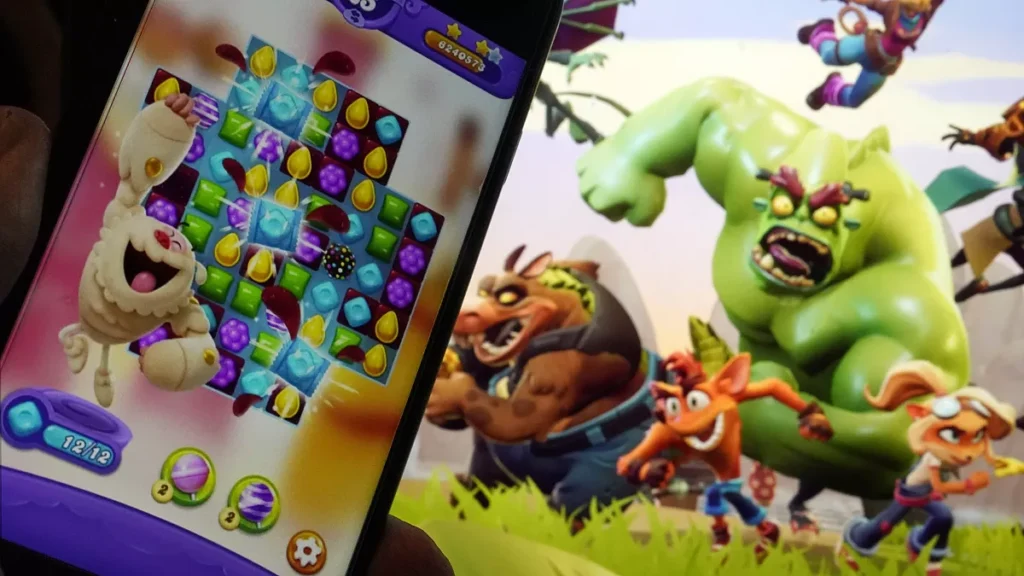
One of the main concerns is the lack of transparency in how these currencies are used and how they affect gameplay. Some games have been accused of using predatory tactics like pay-to-win mechanics or making it difficult to earn virtual currency through regular play. Additionally, the value of in-game items often fluctuates, which can confuse players about the actual worth of their purchases.
Key EU Measures
In response to these issues, the European Union has introduced several new measures to regulate virtual currency usage in games:
- Transparency: Game developers must clearly disclose how virtual currencies can be earned, spent, and exchanged. This includes clear labeling of microtransactions and loot boxes to ensure that players are fully aware of the costs involved.
- No Misleading Practices: The EU has stated that games must not mislead consumers by making virtual currency purchases appear as essential for progression or enjoyment. Developers are prohibited from using deceptive tactics like “hard-to-miss” prompts that push players toward spending money.
- Protection for Minors: Special provisions have been introduced to ensure that minors are protected from spending money without their guardians’ consent. This includes the introduction of stricter parental controls and clearer age ratings for games with microtransactions.
- Fairness in Virtual Goods: The EU also aims to regulate the way virtual goods are traded, ensuring that consumers are not misled about the potential value of items or the fairness of trading systems.
The Broader Industry Impact
These new actions by the EU could have a ripple effect across the global gaming industry. If the regulations prove successful in protecting consumers, other regions may follow suit with similar measures to ensure fairer practices in gaming. Major gaming companies will likely need to adjust their monetization strategies to comply with these new rules, leading to a shift in how in-game purchases and virtual currencies are managed.

In the long run, these measures could also prompt a broader industry-wide debate about the ethics of virtual currencies, microtransactions, and loot boxes in gaming, forcing developers to reconsider their approach to monetization.
What This Means for Gamers
For consumers, this means greater transparency and fewer deceptive practices when it comes to spending money in video games. Players will have a better understanding of how their virtual currency is being used and be able to make more informed decisions about their purchases.
The move is expected to give more control to players, allowing them to enjoy games without feeling pressured into spending excessive amounts of money on in-game purchases.