
Ubisoft Officially Shuts Down XDefiant as Company Faces €159M Loss.

The Free-to-Play Shooter’s Closure Marks a Tough Blow for Ubisoft’s Live-Service Strategy

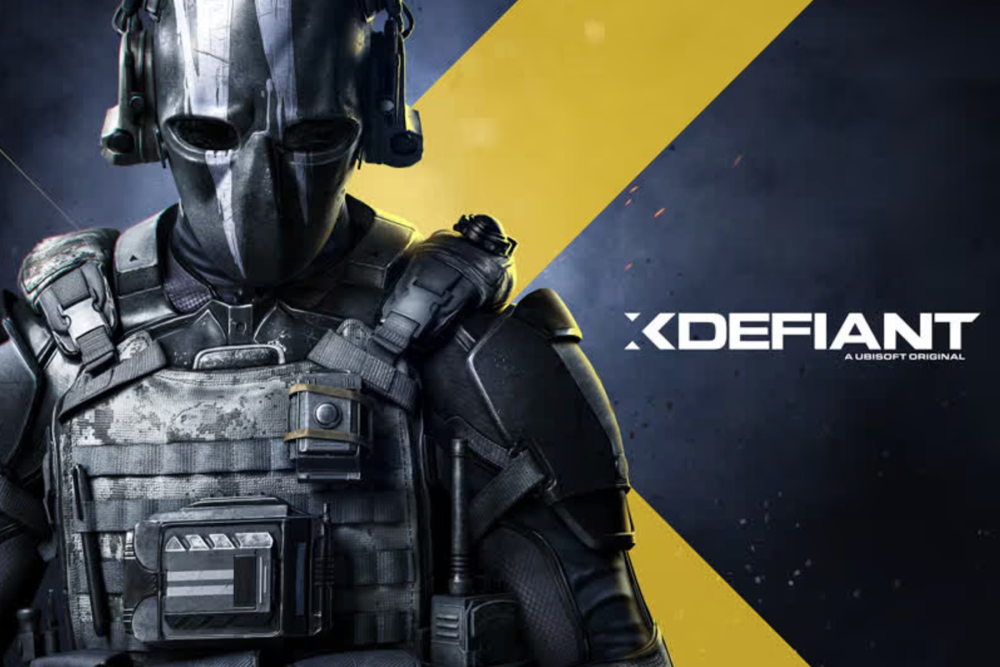
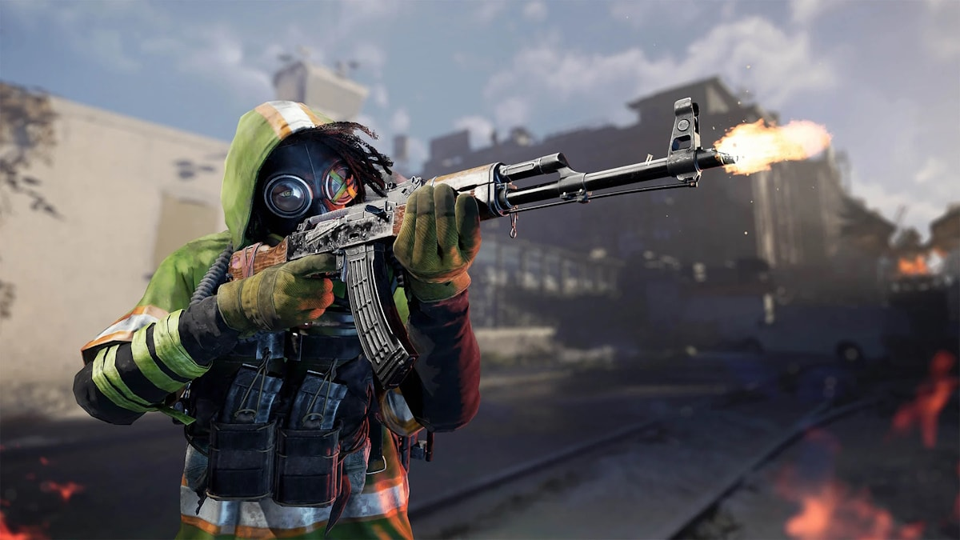
Ubisoft’s bold attempt to conquer the crowded free-to-play shooter market has come to an abrupt end. The company has officially shut down its highly anticipated game, XDefiant, after just over a year in operation. This closure, effective June 3, 2025, marks a significant setback for Ubisoft — who reported a staggering €159 million loss tied directly to the game’s underperformance. 💔💸


🚨 The Rise and Fall of XDefiant

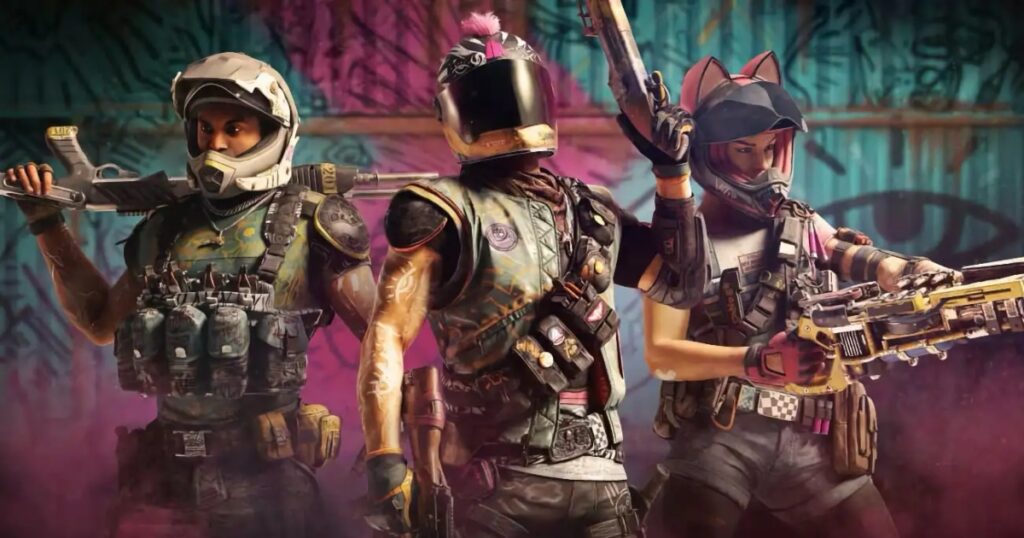
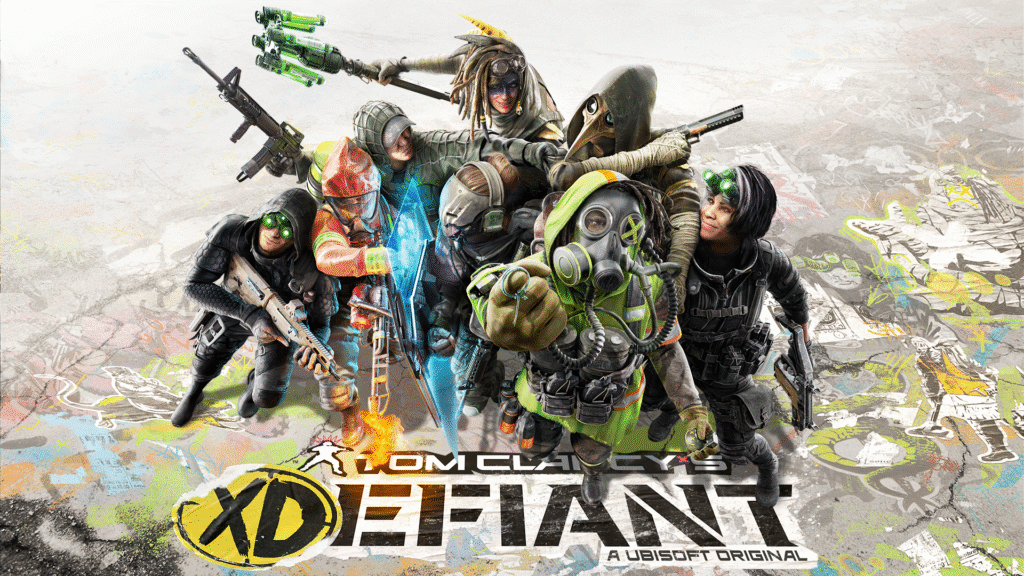
When XDefiant launched in May 2024, it made waves by attracting over 11 million players worldwide within months. The game promised a fast-paced, customizable shooter experience, blending factions and styles from Ubisoft’s popular franchises into one chaotic battlefield. 🎯🔥

However, despite the strong start, the game faced serious challenges that ultimately led to its downfall:

  • Player Retention Problems: Many players quickly lost interest, resulting in a sharp decline in concurrent users and active community engagement.
  • Tough Market Competition: XDefiant entered an already saturated shooter arena dominated by powerhouses like Call of Duty, Apex Legends, and Fortnite. Standing out proved difficult.
  • Mixed Reviews and Feedback: Players and critics pointed out issues with game balance, matchmaking, and content updates, which affected overall satisfaction and longevity.
  • Development Disruptions: Ubisoft underwent internal restructuring and layoffs that impacted the game’s ongoing support and evolution.

Despite Ubisoft’s efforts to improve XDefiant through patches and new content, it couldn’t reverse the downward spiral. The decision to shut down servers and remove the game from digital stores was a last resort after months of dwindling returns. ⏳

💸 The Financial Hit: What €159 Million Loss Means for Ubisoft

The closure of XDefiant is more than just a product cancellation — it represents a huge financial blow for Ubisoft. The company reported a net loss of €159 million in the 2024-2025 fiscal year directly linked to the game’s failure to generate sustainable revenue.

This figure reflects the massive costs of:

  • Game development and marketing
  • Live-service infrastructure and support
  • Staff layoffs and studio closures related to the project

For Ubisoft, this loss is a sobering reminder of how risky the live-service model can be, especially when launching new IPs in highly competitive markets. The stakes are incredibly high, and even big-name publishers can’t guarantee success. 💥

🎮 What’s Next for Ubisoft?

While XDefiant is now a part of Ubisoft’s history, the company isn’t stepping away from live-service or multiplayer games altogether. Instead, this setback may shift their strategy towards:

  • Focusing on proven franchises with strong fanbases
  • Investing more in quality and community feedback before launch
  • Exploring partnerships and innovations in multiplayer experiences

Ubisoft has hinted at upcoming projects in development that could redefine their approach, but XDefiant’s failure will likely influence every step going forward. 🚀
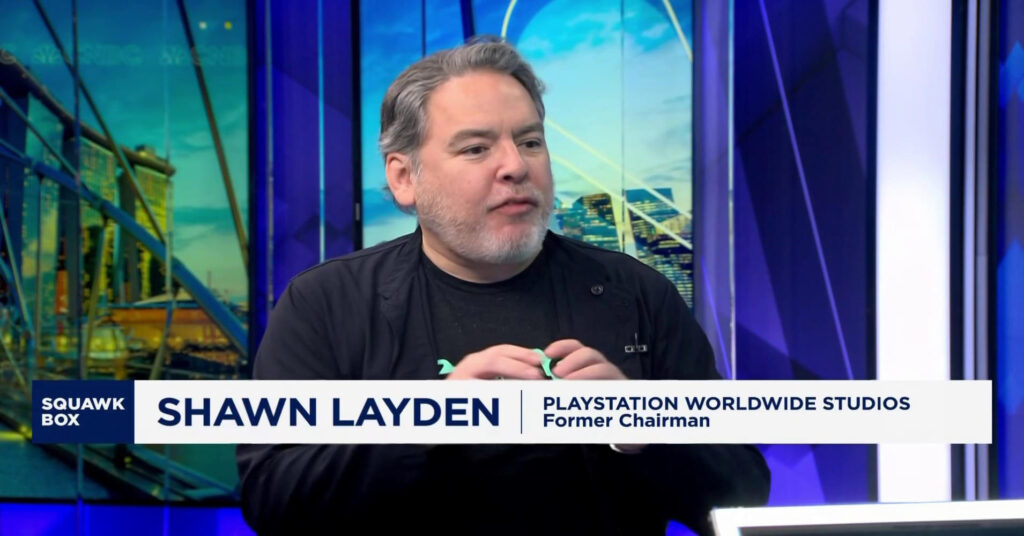
Shawn Layden: Gradual $5 Price Hikes Could Have Balanced Game Development Costs.

The former PlayStation boss reflects on rising dev budgets and how small changes could have prevented the $70 price tag debate 🎮📈💬

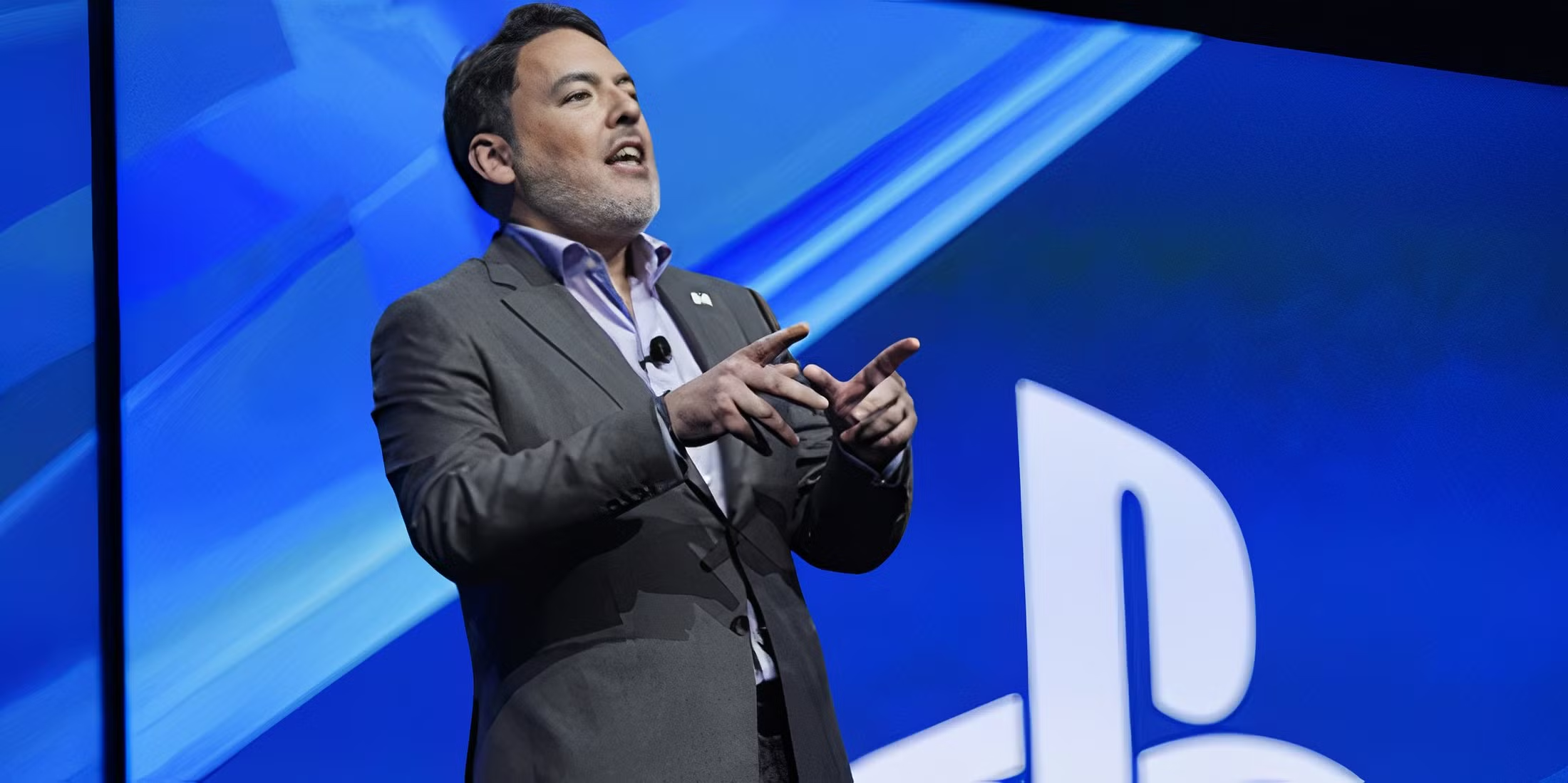
💥 Shawn Layden has weighed in on one of gaming’s hottest topics — the soaring cost of game development. The former PlayStation executive says that incremental $5 price increases over the years could have helped the industry adapt more smoothly, instead of suddenly jumping to $70 games. 💸🧠

In an era where AAA game budgets are ballooning into the hundreds of millions, Layden’s comments strike a chord with both developers and players, reigniting a conversation about value, sustainability, and what gamers are really paying for.


📈 Why the $70 Debate Keeps Coming Back

With many modern titles now costing $70 at launch, fans have been asking: Is the price hike justified? According to Layden, the answer is “yes,” but the approach was flawed.

“If we had just raised prices by $5 every five or six years,” Layden explained, “we could have gotten here more organically — and with less backlash.”

He believes the sudden spike felt like a shock, especially to long-time gamers used to the $60 standard that had held strong for over a decade. 🧾💥


🎮 Gaming Is More Expensive Than Ever to Make

Layden, who oversaw iconic titles like God of War and Horizon Zero Dawn, pointed out that modern AAA games now require massive teams, cinematic storytelling, and multi-year development cycles — all of which have drastically inflated costs. 💼🎬🕹️

Key factors driving costs up:

  • 🌍 Massive open-world environments
  • 🧠 Advanced AI systems and physics engines
  • 🎭 High-quality voice acting and motion capture
  • 🧪 Constant post-launch support and updates

Without a pricing strategy to match, Layden warns that game studios may take fewer risks, favoring sequels over innovation to guarantee returns. 📉🚫


🗣️ A Divided Audience

While some fans agree with Layden’s logic, others argue that microtransactions, DLC models, and premium editions have already made gaming more expensive — regardless of the base price. 😬💳

Still, his proposal makes a valid point: a slow, steady rise in price might have been better received than a sudden jump — especially during an era of economic pressure and digital pricing debates.


🔮 What This Means for the Industry

Layden’s remarks come at a time when studios are struggling to balance player expectations with production realities. As development timelines get longer and budgets soar, the industry may need to rethink how value is communicated — and priced. 📊🛠️

Whether or not his idea catches on, one thing’s clear: the way we buy and value games is evolving, and the conversation around it is just getting started.

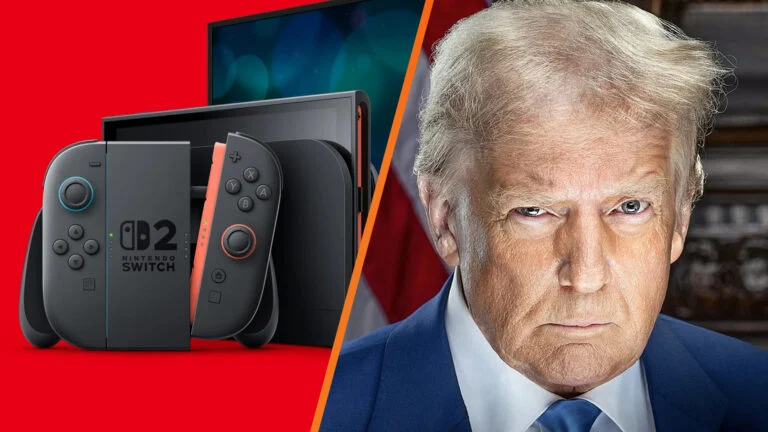
Nintendo and Sony Stocks Dip Following Trump’s Tariffs 🇺🇸.

In a surprising turn of events, the stocks of Nintendo and Sony have taken a significant hit, primarily due to new tariffs introduced by former President Donald Trump. These tariffs have raised concerns about increased costs for manufacturing and potential price hikes for gaming consoles in the U.S. market

🎮 Nintendo’s Stock Takes a Nosedive

Nintendo’s shares plummeted by 9.2%, marking one of its sharpest declines in recent history. The company is worried that the tariffs could lead to:

  • Higher Production Costs: Increased expenses for assembling the upcoming Switch 2 in the U.S.
  • Price Adjustments: Potential increases in retail prices, which could impact consumer demand.
  • Supply Chain Disruptions: Delays and cost inefficiencies in sourcing materials and components.

These financial concerns have also prompted Nintendo to delay U.S. preorders for the Switch 2, originally planned for April 9. 🚨

🎮 Sony’s Struggles in the Market

Sony is feeling the pressure as well, with its stock dropping by 4.2%. The company faces similar challenges:

  • Production Costs: The PlayStation consoles, reliant on global supply chains, could become more expensive to produce.
  • Impact on Future Projects: Concerns about the profitability of upcoming gaming hardware and software releases.

🌐 A Ripple Effect Across the Gaming Industry

The tariffs haven’t just impacted Nintendo and Sony. Other gaming giants like Bandai Namco, Capcom, and Konami have also seen their stocks dip. The industry is grappling with the broader implications of these economic shifts, affecting everything from game development to marketing strategies. 📉

💼 Market Uncertainty and Investor Reactions

The introduction of these tariffs has added a layer of uncertainty to the global markets, leading to volatility in the tech and entertainment sectors. Investors are watching closely, trying to predict how companies will adapt to these changes.

🔍 What’s Next?

While the current situation is challenging, companies like Nintendo and Sony are likely exploring strategies to:

  • Diversify Supply Chains: Reducing reliance on U.S.-based manufacturing.
  • Adjust Pricing Models: Balancing profitability with consumer affordability.
  • Innovate in Production: Finding cost-effective ways to maintain product quality.

The gaming world will be watching closely as these industry giants navigate the economic ripple effects of these tariffs. 🎯

Ubisoft Faces Shareholder Revolt Over Tencent Deal

Investors Demand Renegotiation Amid Concerns Over Company Governance and Strategic Direction.

In a dramatic turn of events, Ubisoft, the French gaming giant behind legendary franchises like Assassin’s Creed, Far Cry, and Rainbow Six, is grappling with a shareholder revolt over its controversial deal with Tencent, one of China’s largest technology conglomerates. This growing unrest among investors raises serious questions about Ubisoft’s corporate governance, strategic vision, and its future in the volatile gaming industry.

🚩 The Heart of the Controversy

The discord centers around Ubisoft’s recent agreement with Tencent, which reportedly involves Tencent acquiring a significant stake in the company. While the deal was initially framed as a strategic partnership to bolster Ubisoft’s position in the global market, shareholders are now expressing deep concerns about the lack of transparency surrounding the deal’s terms.

Investors argue that the agreement does not adequately reflect their interests and that key decisions were made without proper consultation. Critics claim the deal disproportionately benefits Ubisoft’s executives and the founding Guillemot family, who already hold considerable influence over the company’s operations.

📉 Financial Struggles Fueling Tensions

Ubisoft has been facing a series of financial challenges over the past few years. Despite the success of some titles, the company has struggled with inconsistent game launches, delays, and underwhelming sales of major projects. The declining performance has affected investor confidence, making shareholders more sensitive to any moves that might jeopardize their stakes.

The Tencent deal is viewed by many as a desperate attempt to secure financial stability amidst these struggles. However, shareholders argue that selling off a significant portion of the company’s control could undermine Ubisoft’s independence and creative freedom.

⚖️ Legal Actions and Investor Pushback

In response to the dissatisfaction, a group of shareholders has reportedly filed legal challenges against the deal, seeking to block its approval until the company provides greater clarity on the financial implications and governance changes. These legal actions highlight the growing rift between Ubisoft’s leadership and its investor base, with accusations of lack of due diligence and conflicts of interest surfacing in court filings.

🌍 What Does This Mean for Ubisoft?

The revolt comes at a critical time for Ubisoft, as the company faces intense competition from industry giants like Activision Blizzard, Electronic Arts, and emerging studios producing innovative content. If the shareholder dispute escalates, it could stall the Tencent deal, forcing Ubisoft to reconsider its strategic direction.

Additionally, the backlash raises concerns about Ubisoft’s long-term creative autonomy. Shareholders fear that Tencent’s increased involvement could shift the company’s focus from innovative game development to profit-driven decisions, potentially impacting beloved franchises and game quality.

🎮 Impact on the Gaming Industry

Ubisoft’s struggles could have ripple effects across the gaming industry. As one of the largest third-party publishers, its decisions influence game development trends, industry standards, and even global gaming culture. A failure to resolve the shareholder conflict might deter other companies from pursuing similar partnerships, leading to a more cautious corporate environment in the gaming sector.

🔍 Looking Ahead: What’s Next?

As the situation unfolds, Ubisoft’s leadership faces mounting pressure to address shareholder concerns. Possible outcomes include:

  • Renegotiating the Tencent deal to include more shareholder protections.
  • Offering increased transparency regarding the financial and strategic benefits of the partnership.
  • Potential leadership changes if the conflict undermines trust in Ubisoft’s executives.

The coming months will be crucial in determining Ubisoft’s future, both as a company and within the broader gaming ecosystem.