
Nintendo Confirms No VRR Support on Switch 2 When Docked 😲🎮

Variable Refresh Rate Will Be Handheld‑Only—Here’s What That Means for Gamers 👀

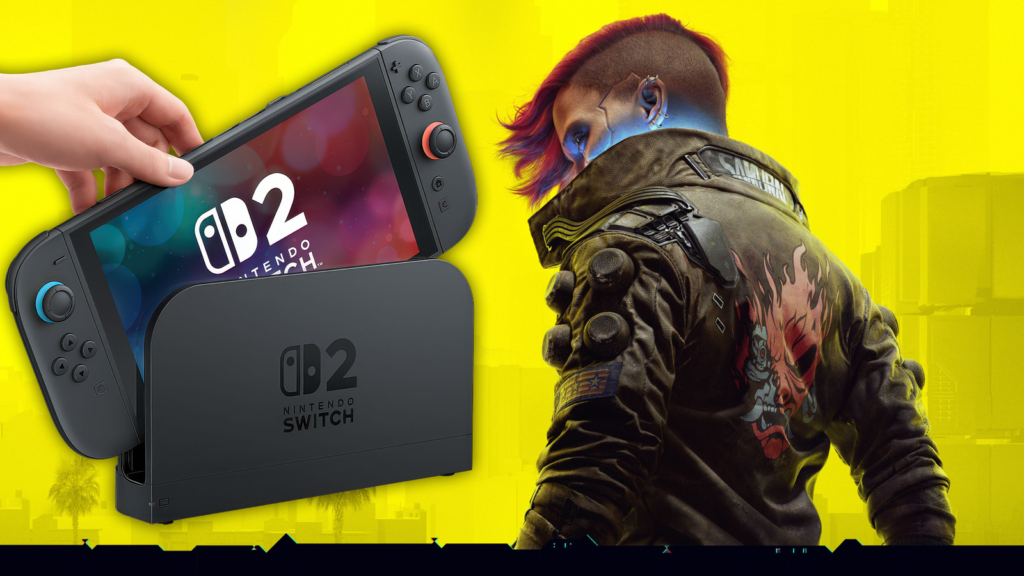
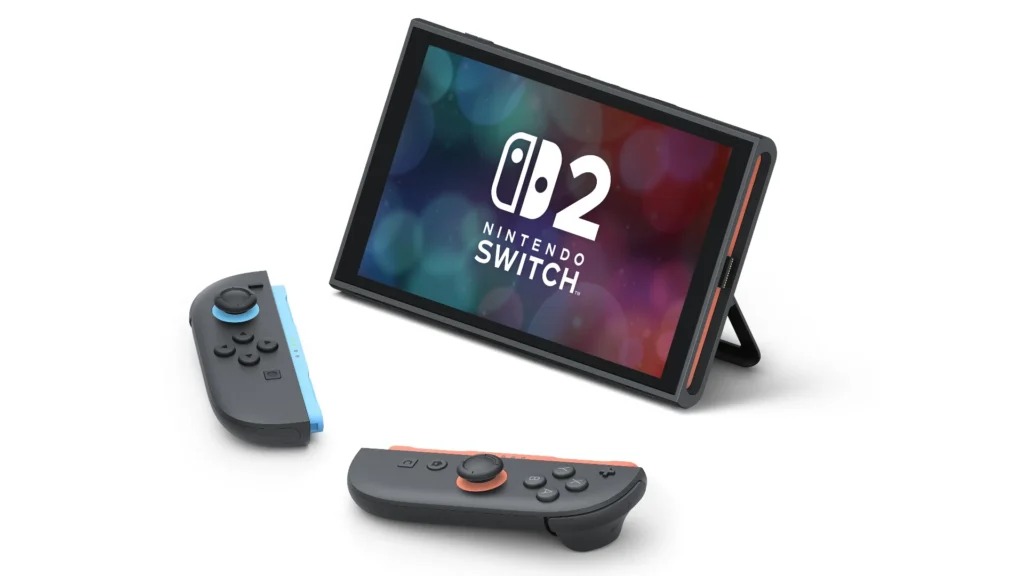
Nintendo has officially confirmed that the upcoming Switch 2 will not support Variable Refresh Rate (VRR) while docked, reserving the tech exclusively for handheld mode. ⚡️ This revelation comes as a surprise to many fans who expected next‑gen features across both play styles.


🚂 The Docked Dilemma

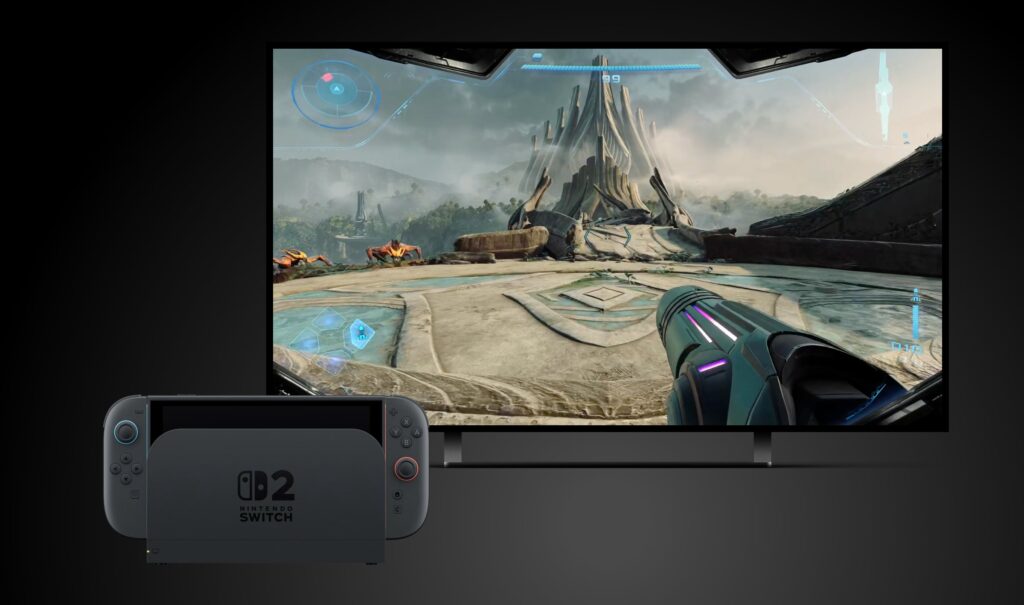
When the Switch 2 sits in its dock and outputs to a TV, it will cap its refresh at a fixed rate—meaning no silky‑smooth VRR gameplay on the big screen. Nintendo says the choice was made to maintain stability and compatibility with a wide range of televisions.
“Our priority is a consistent living‑room experience,” a spokesperson explained.
“VRR will shine brightest in handheld mode, where we control every pixel.”

🕹️ Handheld Mode Gets the Love

In portable form, the console’s built‑in OLED display (rumored 120 Hz) will dynamically sync frame rates to eliminate tearing and stutter. 🎉 For on‑the‑go players, that means buttery‑smooth motion in action‑heavy titles like Mario Kart and Splatoon.
🔍 Why Split the Feature?

  • Power Management: VRR in docked 4K output would demand more GPU headroom, reducing efficiency. 🔋
  • Cost Control: Supporting every TV’s VRR standard could raise hardware complexity. 💸
  • User Base: Nintendo data shows over 60 % of Switch playtime happens in handheld mode. 📊

💬 Community Reaction

Gamers are divided:

  • Pro Handheld Crowd applauds the focus on portable polish.
  • Home‑Theater Enthusiasts feel short‑changed, craving VRR on their high‑end TVs. 🖥️
Social feeds are buzzing with memes of docked Switches wearing “NO VRR” stickers, while others celebrate being able to “flex 120 Hz in the subway.” 🤣

🔮 What’s Next?

Nintendo hinted future firmware could revisit docked features, but for launch, handheld VRR is the headline. Developers are already optimizing frame pacing to ensure docked play remains smooth and stable at conventional refresh rates.

TL;DR ✨

  • Switch 2 gets VRR only in handheld mode.
  • Docked play sticks to a fixed refresh for stability.
  • Nintendo cites power, cost, and usage data for the split decision.
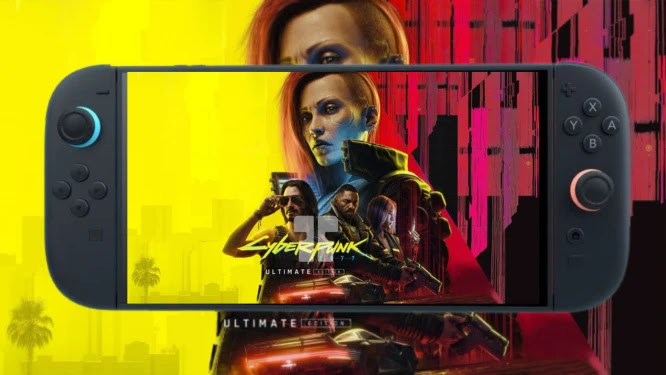
Cyberpunk 2077 Makes History on Nintendo Switch 2!

First Game to Feature NVIDIA DLSS Upscaling, Elevating Handheld Gaming Graphics to New Heights 🎮✨

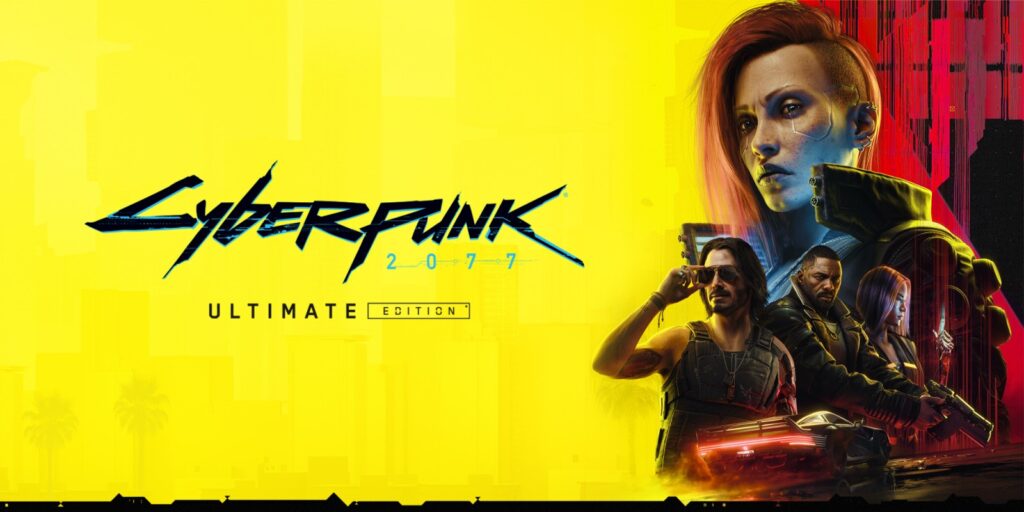
In a groundbreaking development for portable gaming, Cyberpunk 2077 has become the first title on the Nintendo Switch 2 to incorporate NVIDIA’s Deep Learning Super Sampling (DLSS) technology, setting a new benchmark for handheld gaming performance. 🕹️💥


🔍 What Is DLSS and Why It Matters

DLSS is an advanced AI-driven upscaling technology developed by NVIDIA. It enables games to render at lower resolutions and then upscale them to higher resolutions, such as 4K, without compromising on visual quality. This results in:

  • Enhanced graphics performance without taxing the hardware. ⚡
  • Smoother gameplay with higher frame rates. 🎯
  • Improved visual fidelity, offering a more immersive gaming experience. 🌟

For the Nintendo Switch 2, DLSS is particularly significant as it allows the console to deliver console-quality visuals in a portable form factor, something previously thought unattainable. 📱➡️🖥️


🕹️ Cyberpunk 2077: A Showcase of Switch 2’s Capabilities

Cyberpunk 2077 on the Switch 2 isn’t just a port; it’s a showcase of the console’s potential. Leveraging DLSS, the game runs at 1080p resolution, delivering console-like settings with ray-traced reflections, achieving a solid 30 fps. This performance is comparable to the PlayStation 5 version of the game, a remarkable feat for a handheld device. 🎮🔧


🧠 Behind the Scenes: Switch 2’s Custom DLSS Implementation

Nintendo’s collaboration with NVIDIA has led to the development of a custom DLSS implementation tailored specifically for the Switch 2’s hardware. This bespoke solution ensures:

  • Optimized performance tailored to the console’s capabilities. 🛠️
  • Efficient power consumption, crucial for handheld devices. 🔋
  • Enhanced visual quality, bringing games to life like never before. 🌈

This custom approach underscores Nintendo’s commitment to delivering cutting-edge technology in their gaming systems, ensuring that players enjoy the best possible experience. 🎮🔝


🔮 Looking Ahead: The Future of Handheld Gaming

The integration of DLSS into the Nintendo Switch 2 marks a significant milestone in the evolution of handheld gaming. It raises the bar for what portable consoles can achieve, paving the way for:

  • More graphically demanding games to be playable on handheld devices. 🎮📱
  • Enhanced gaming experiences that were previously reserved for high-end consoles. 🖥️🎯
  • A new era of portable gaming, where performance and portability go hand in hand. 🌍🚀

As technology continues to advance, the possibilities for handheld gaming are expanding, and the Nintendo Switch 2 is at the forefront of this revolution. 🌟


📝 Key Highlights:

  • First Nintendo Switch 2 title to feature NVIDIA DLSS upscaling.
  • Cyberpunk 2077 runs at 1080p with ray-traced reflections and 30 fps.
  • Custom DLSS implementation tailored for Switch 2’s hardware.
  • Enhanced graphics performance and visual fidelity for handheld gaming.
  • Paving the way for more graphically demanding games on portable devices.

Portable PS6 Might Not Deliver the Full Next-Gen Experience.

A Handheld PS6 Could Mean Trade-Offs in Power and Performance.

The gaming world is abuzz with rumors that Sony is working on a portable version of the PlayStation 6. While the idea of gaming on the go is exciting, there are concerns about whether this handheld device can deliver the same performance as its full-sized counterpart.

⚙️ Potential Limitations of a Portable PS6

  • Reduced Graphics and Resolution: To maintain portability, the handheld version may have lower graphical capabilities, potentially offering a less detailed visual experience compared to the console version.​
  • Compromised Performance: The portable device might not support the full range of next-gen features, leading to possible downgrades in game performance.​
  • Battery Life Concerns: High-performance gaming can drain battery life quickly, and a portable PS6 might not have the capacity to support extended gaming sessions without frequent recharging.​
  • Compatibility Issues: Not all PS6 games may be compatible with the handheld device, limiting the library of available titles for portable play.​

🧩 Balancing Portability with Performance

While the concept of a portable PS6 is appealing, it’s important to consider the trade-offs involved. Gamers may need to decide between the convenience of portability and the desire for high-end performance. It’s possible that the handheld version will offer a unique gaming experience tailored to those who prioritize mobility over maximum graphical fidelity.

https://www.youtube.com/watch?v=Ou23sLD6pSg