
Saying “Please” to ChatGPT Is Costing Millions, Says OpenAI CEO.

Being Polite Comes at a Price – AI Manners Are Getting Expensive 💸

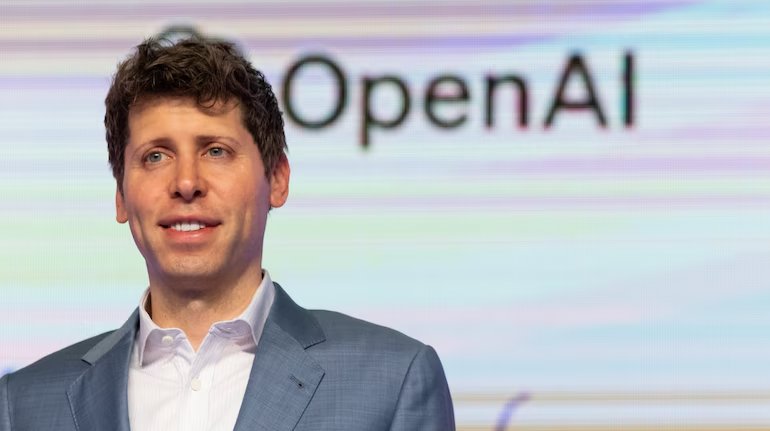
In a twist that sounds straight out of a sci-fi satire, OpenAI CEO Sam Altman has revealed that saying “please” and “thank you” to ChatGPT is racking up a multi-million dollar bill. 💬💰

Yes, you read that right. Those extra polite words we sprinkle into conversations with AI? They’re costing millions in computing power.
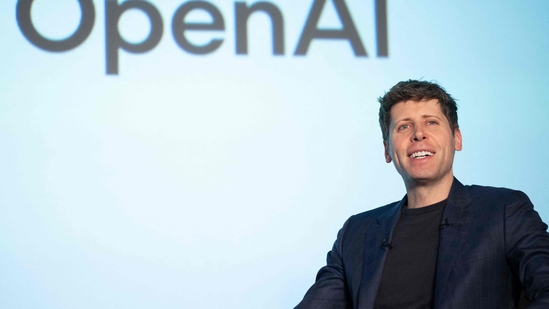
(FILES) OpenAI CEO Sam Altman attends a talk session with SoftBank group Chairman and CEO Masayoshi Son in Tokyo on February 3, 2025. OpenAI on March 31, 2025 said it raised $40 billion in a new funding round that valued the ChatGPT maker at $300 billion, the biggest capital-raising session ever for a startup. (Photo by Yuichi YAMAZAKI / AFP)

🧠 The Price of Politeness

Every interaction with ChatGPT is measured in tokens—tiny chunks of text the system processes. When users add fluff like “Hey ChatGPT, could you please…” or “Thanks a lot!”, it adds up. Multiply that by billions of users, and you’ve got a politeness problem that’s hurting the budget.

💡 Highlight this:

  • “Please” and “Thank You” = More tokens
  • More tokens = More server power + higher costs
  • Result: Millions in extra expenses 🧾

Altman joked that AI doesn’t need the pleasantries—but humans just can’t help it. And while being polite is adorable, it’s making AI very, very expensive to run.

⚙️ What’s Next for ChatGPT?

The challenge now is balancing friendly interactions with cost-efficiency. Engineers are exploring ways to optimize token usage, maybe even training the AI to recognize certain polite phrases without processing them fully.
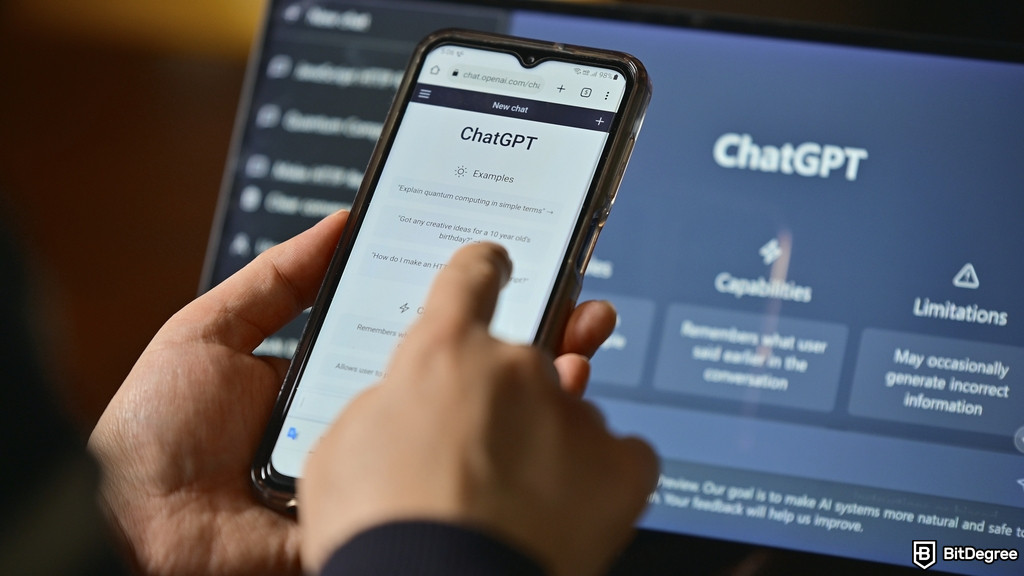
But here’s the twist: some at OpenAI believe the human-like flow—complete with manners—is what makes ChatGPT so engaging in the first place. So… maybe we’ll keep our “pleases” and pay the price for personality. 🤷‍♂️💻

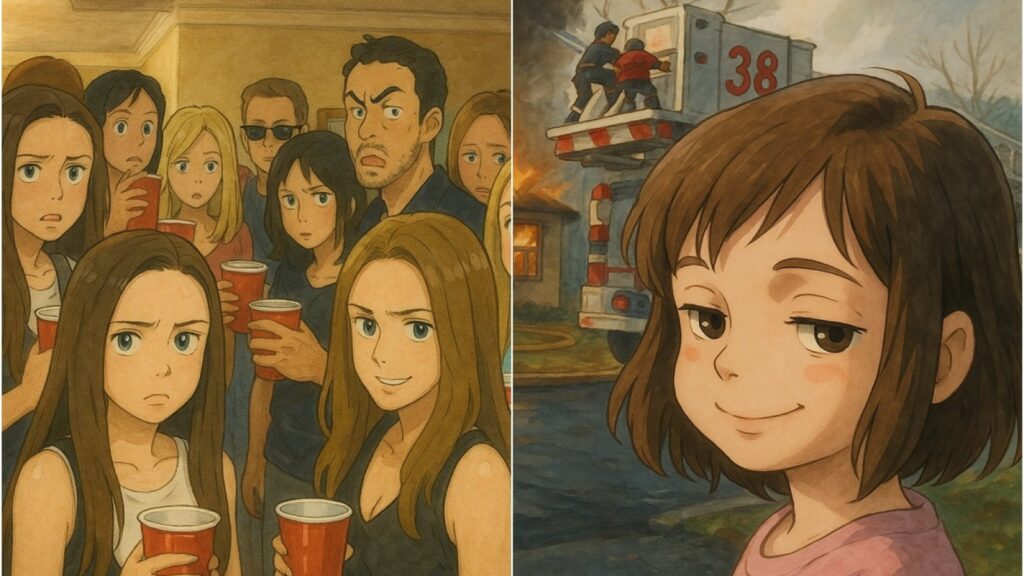
OpenAI’s GPUs Overheating Amidst Surge in Ghibli-Style AI Image Generation.

​OpenAI’s recent integration of Ghibli-style image generation in ChatGPT has led to unprecedented demand, causing significant strain on their GPU infrastructure.

Unprecedented Demand Overwhelms GPU Resources

The introduction of the Ghibli-style image generator has resulted in an overwhelming influx of user requests. CEO Sam Altman remarked that the demand was so intense it felt as though the GPUs were “melting.” To manage this unprecedented load, OpenAI has implemented temporary rate limits on image generation requests. These measures aim to balance user demand with the company’s capacity to deliver quality service.

OpenAI’s latest feature in ChatGPT, enabling users to transform images into the enchanting style of Studio Ghibli, has taken the AI community by storm. However, this surge in popularity has led to unforeseen challenges, notably the overheating of OpenAI’s GPUs

Legal Scrutiny Amidst Style Imitation Concerns

Beyond technical challenges, the feature has attracted legal attention. Studio Ghibli, renowned for classics like “Spirited Away,” has expressed concerns over the use of its distinctive style without authorization. However, legal experts note that pursuing a lawsuit may be complex, given the nuances of copyright law concerning style imitation.

Navigating the Intersection of Innovation and Ethics

This development underscores the delicate balance between technological innovation and ethical considerations. As AI capabilities expand, questions about consent, copyright, and the responsible use of artistic styles have come to the forefront. OpenAI’s experience serves as a case study in navigating these complex issues.​

Conclusion

The intersection of AI innovation and user demand presents both exciting opportunities and significant challenges. OpenAI’s current predicament highlights the need for robust infrastructure and thoughtful consideration of ethical boundaries as AI technologies continue to evolve.