


PlayStation Shuts Down Japan Studio: Is There No Room for AA Games?

Sony’s Bold Move Raises Questions About the Future of Diverse Game Development.

In a move that has sent shockwaves through the gaming industry, Sony Interactive Entertainment has officially shut down its iconic Japan Studio, the creative powerhouse behind beloved titles like Gravity Rush, Astro Bot: Rescue Mission, and The Last Guardian. This unexpected closure has sparked heated debates about the future of AA games and whether the gaming world is shifting towards a singular focus on blockbuster titles.

A Legacy of Innovation

Founded in the late 1990s, Japan Studio was a beacon of creativity, responsible for pushing the boundaries of what games could achieve. From experimental gameplay mechanics to breathtaking art direction, the studio was synonymous with bold, out-of-the-box ideas that often defied mainstream trends.

However, in recent years, Japan Studio struggled to maintain the same level of commercial success, with some projects not achieving the financial targets Sony had set. This struggle seemed to clash with Sony’s growing emphasis on high-budget AAA titles that dominate the current gaming landscape.

The End of an Era?

The closure has raised an important question: Is there still room for AA games in today’s market? While AAA games dominate headlines with massive budgets, stunning graphics, and global marketing campaigns, AA titles have been the heart of innovation. They often take creative risks that bigger studios shy away from, offering unique gameplay experiences that resonate with niche audiences.

Sony’s decision to shut down Japan Studio suggests a shift in priorities—focusing on games with the potential for massive returns rather than nurturing smaller, more experimental projects. This move has left many fans wondering if the era of risk-taking, story-driven AA games is fading.

What’s Next for PlayStation Studios?

Despite the closure, not all hope is lost. The Team Asobi studio, which emerged from the remnants of Japan Studio, continues to thrive with titles like Astro’s Playroom, proving that there’s still room for creative, smaller-scale projects within the PlayStation ecosystem.
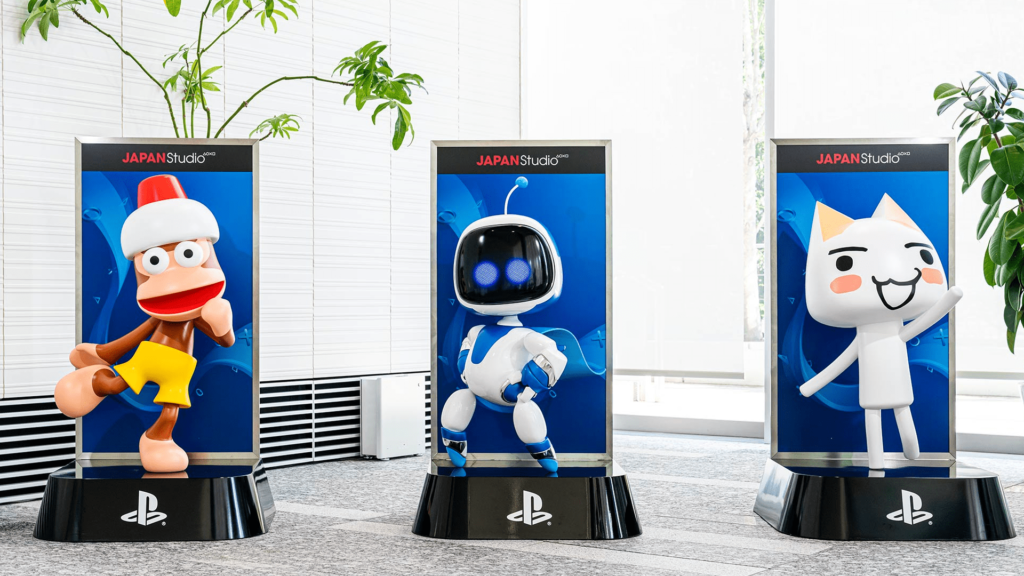
However, the industry is watching closely to see if Sony will continue to support diverse game development or if this marks the beginning of an era where only the biggest, most profitable titles receive the spotlight.

Final Thoughts

Sony’s closure of Japan Studio is more than just the end of a studio—it’s a reflection of the changing dynamics in the gaming industry. While AAA titles will always have their place, the gaming community must consider the value of AA games: the bold experiments, heartfelt stories, and creative risks that make gaming an ever-evolving art form.

Shawn Layden Departs Sony Amidst Shift Toward Live-Service Focus.

The gaming industry faces a major shake-up as Shawn Layden’s exit from Sony marks a pivotal shift in the company’s strategy.

In a surprising move that has sent shockwaves through the gaming world, Shawn Layden, the former Chairman of Sony Interactive Entertainment, has officially stepped down from his role at the company. This departure marks the end of an era for Sony, which has long been a dominant force in the gaming industry under Layden’s leadership. As his exit unfolds, Sony is making a noticeable shift in its overall strategy, with a growing focus on the rapidly expanding live-service gaming model.

The End of an Era

Shawn Layden’s departure after over 30 years of service with Sony, including his tenure as Chairman of Sony Interactive Entertainment, has been met with mixed emotions from the gaming community. Layden was instrumental in the success of the PlayStation brand, particularly in the launch of the PS4 and PS5, where he played a key role in the strategic vision that helped Sony dominate the console wars.

Layden was known for his calm and methodical approach to leadership, with a strong focus on crafting high-quality single-player experiences. Under his guidance, Sony earned praise for its innovative and expansive titles, such as The Last of Us Part II, Ghost of Tsushima, and God of War. However, Layden’s departure now leaves a void in the leadership structure, signaling a significant shift in Sony’s direction.

Sony’s Shift Toward Live-Service Games

While the gaming world absorbs the news of Layden’s departure, the biggest change on the horizon is Sony’s apparent pivot toward the live-service gaming model. This shift is part of a broader industry trend, as companies increasingly look to capitalize on recurring revenue from online multiplayer experiences, seasonal updates, and microtransactions.

Sony’s new strategy seems to be aligned with the growing success of titles like Fortnite, Destiny 2, and Apex Legends, which have shown that live-service games offer long-term player engagement and financial sustainability. Recent acquisitions, including the purchase of Bungie (makers of Destiny 2), suggest Sony’s commitment to pushing this new model forward.

What This Means for Sony’s Future

The departure of Shawn Layden comes at a time when Sony is actively reassessing its approach to both development and business. It’s clear that the company is aiming to broaden its gaming portfolio to include more online, multiplayer, and live-service offerings, moving away from the purely single-player narrative experiences that have been Sony’s hallmark.

With a heightened focus on games as a service, players can expect to see more investments in multiplayer content, seasonal updates, and microtransactions in future releases. The new direction may also mean a stronger emphasis on long-term player retention, with post-launch content updates, cross-platform play, and evolving game worlds.

The Future of PlayStation Games

While Layden’s departure raises questions about the PlayStation brand’s future, it’s clear that Sony is making strides to ensure its relevance in the rapidly evolving gaming landscape. The company’s focus on live-service titles could also lead to new opportunities for fan engagement and community-driven content. However, the challenge will be balancing these efforts with the quality single-player experiences that have long defined Sony’s success.

It remains to be seen how these changes will impact upcoming PlayStation exclusives such as Horizon Forbidden West and Gran Turismo 7, as well as their potential to adopt more live-service elements. Will the company find the right balance between these new online-focused games and the story-driven experiences that PlayStation fans love?